Tree Care Expertise
For every project, we focus on delivering exceptional value. Whether it's pruning, removal, or routine maintenance, we're here to help protect your property and keep your trees thriving.
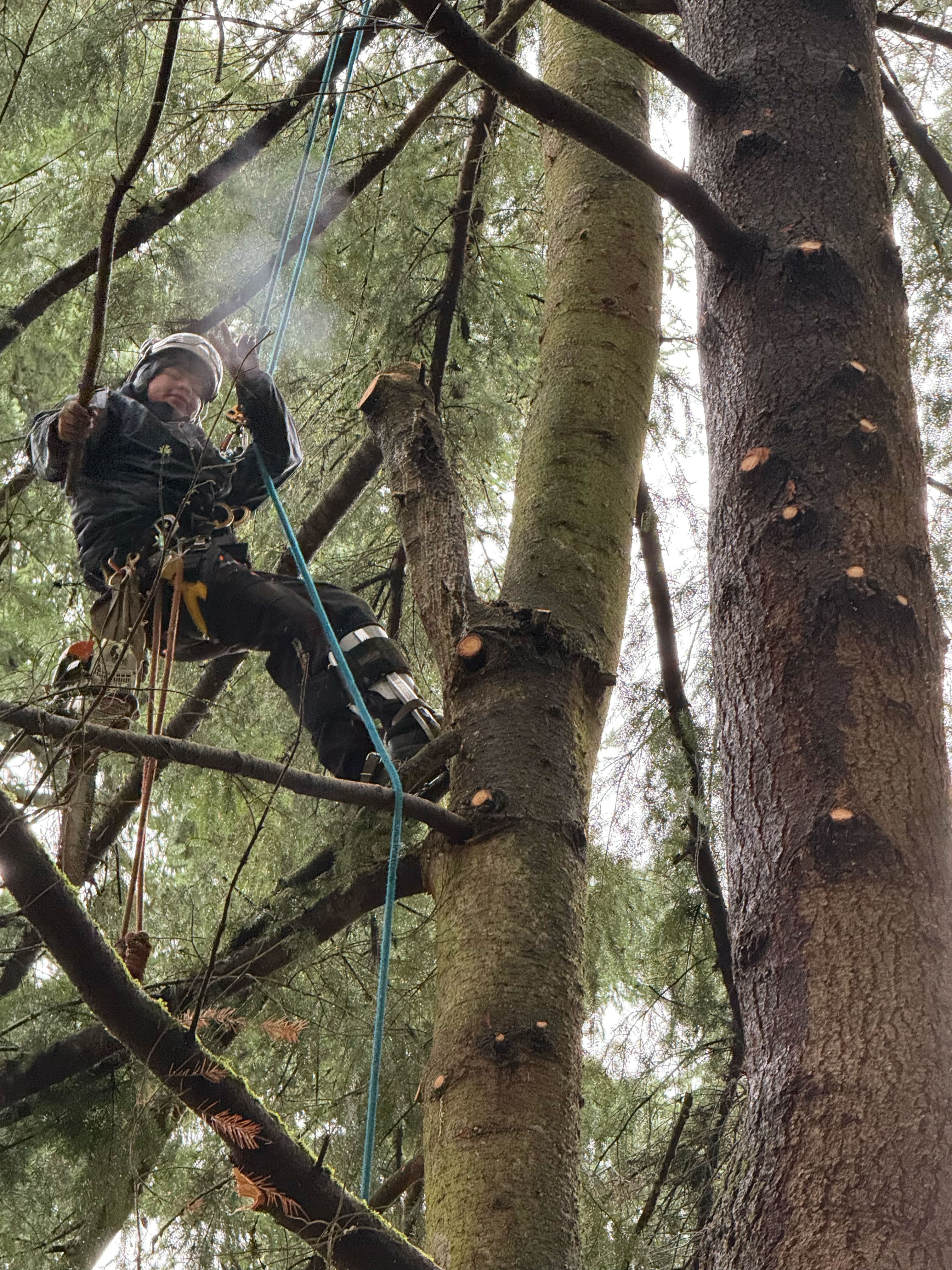
Tree Trimming
- Pruning for growth
- Trimming for health & beauty
- Skilled arborists guarantee quality
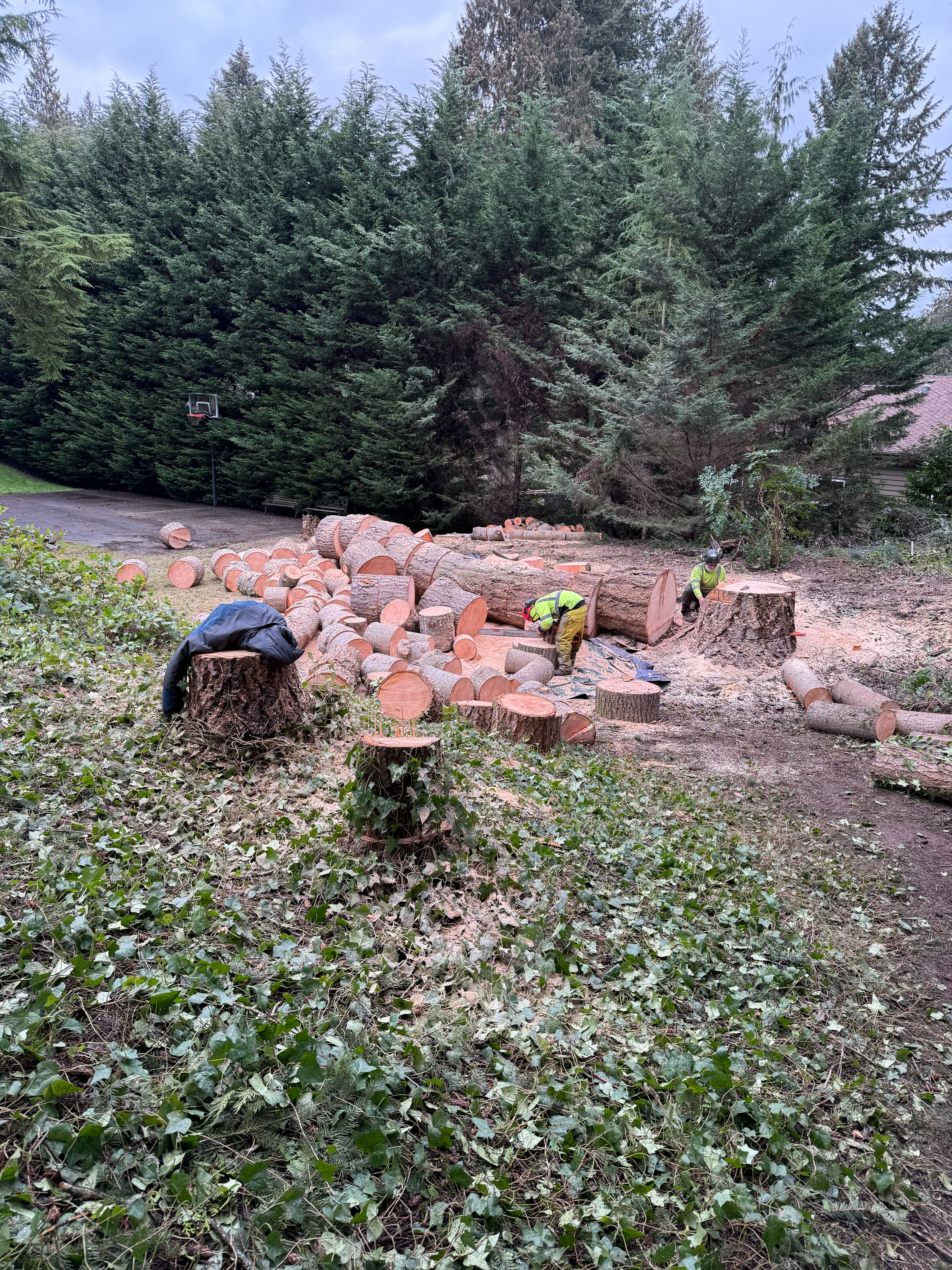
Tree Removal
- Removal of all tree sizes
- Stump grinding & debris removal
- Efficient site clean up
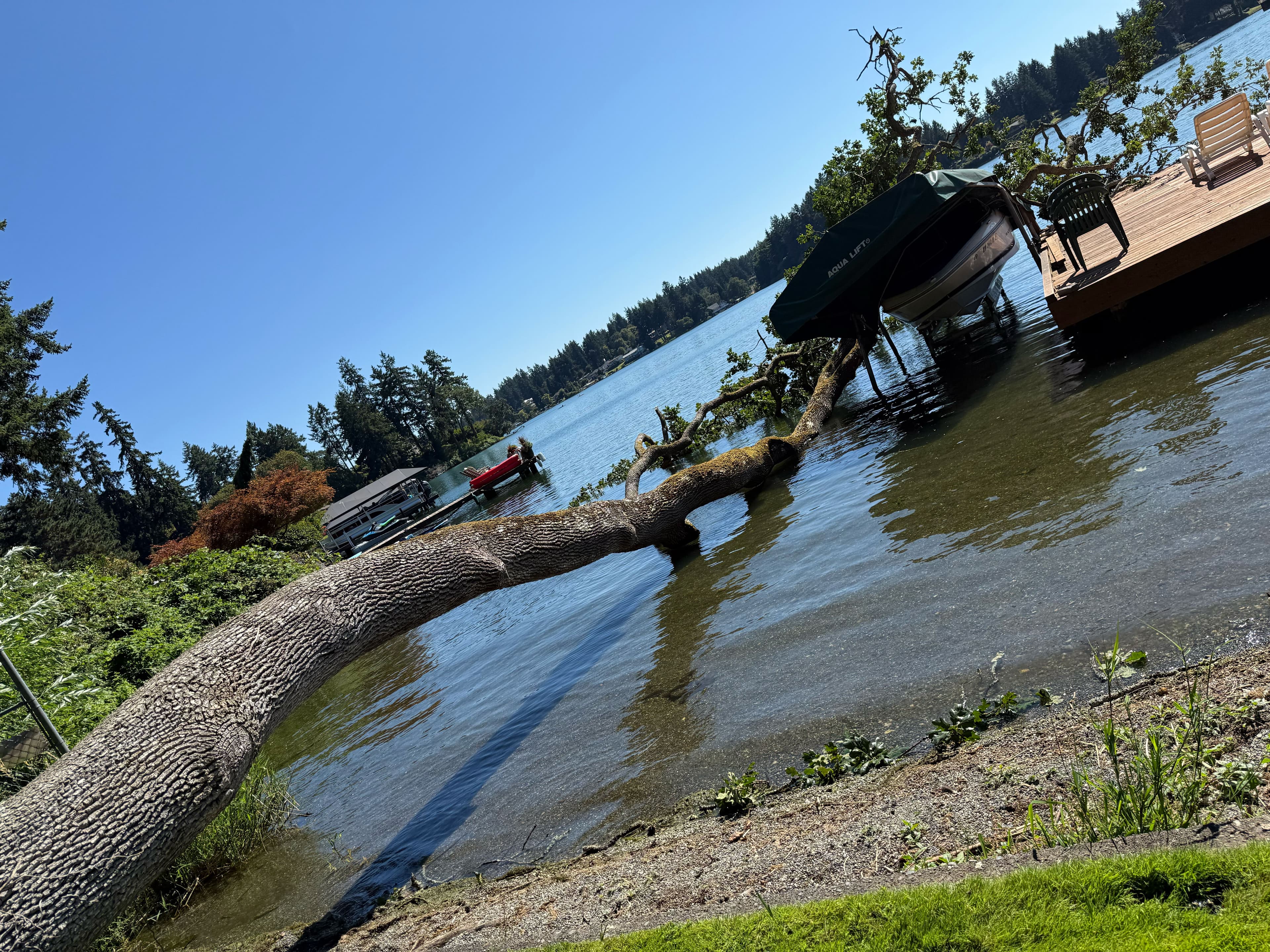
Diseased Trees
Our arborists are trained to identify common diseases and hazards. Before climbing any tree, we assess overall tree health and recommend the best course of treatment.
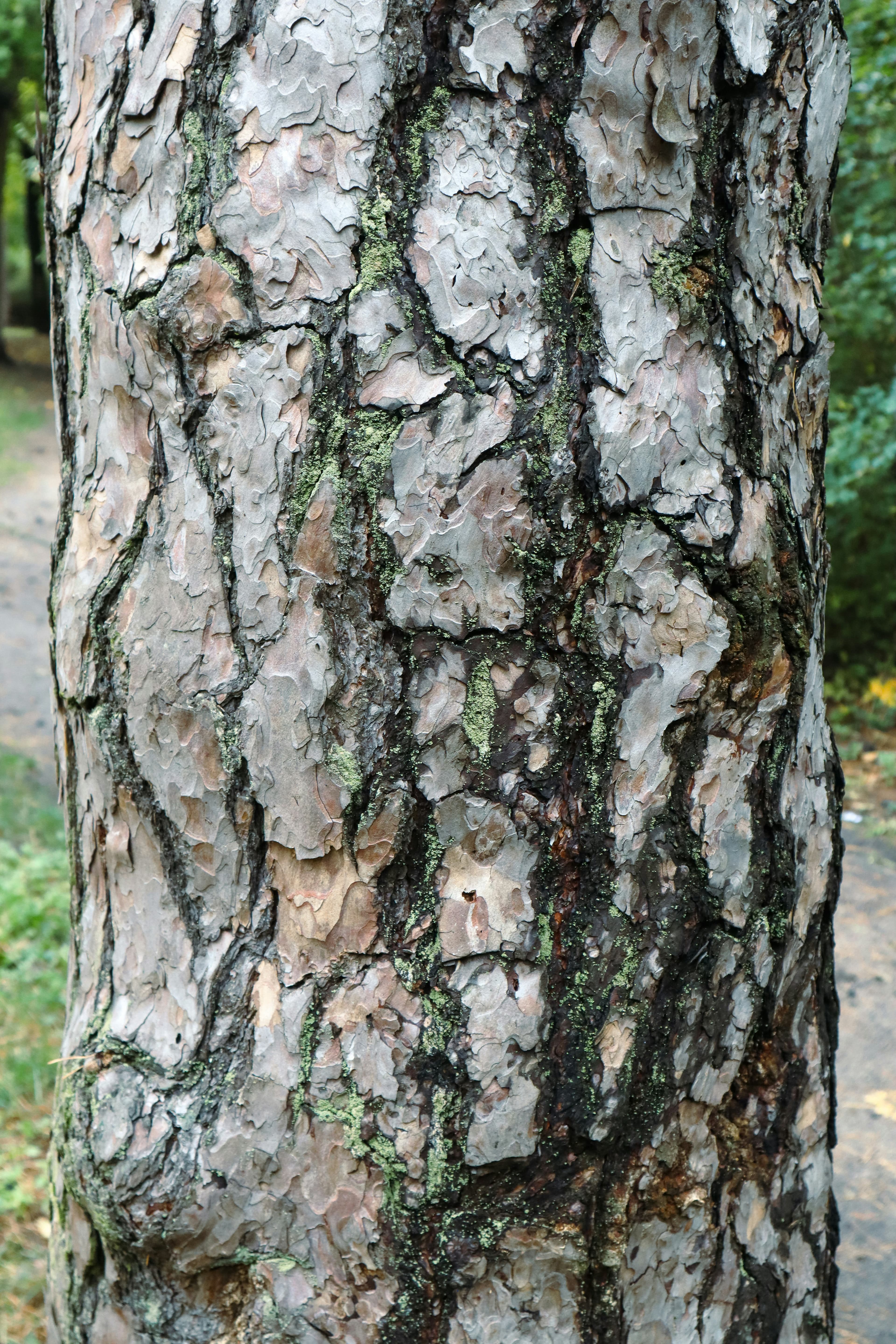
Beech Bark Disease
A combination of a fungal infection and insect infestation, primarily affecting beech trees.
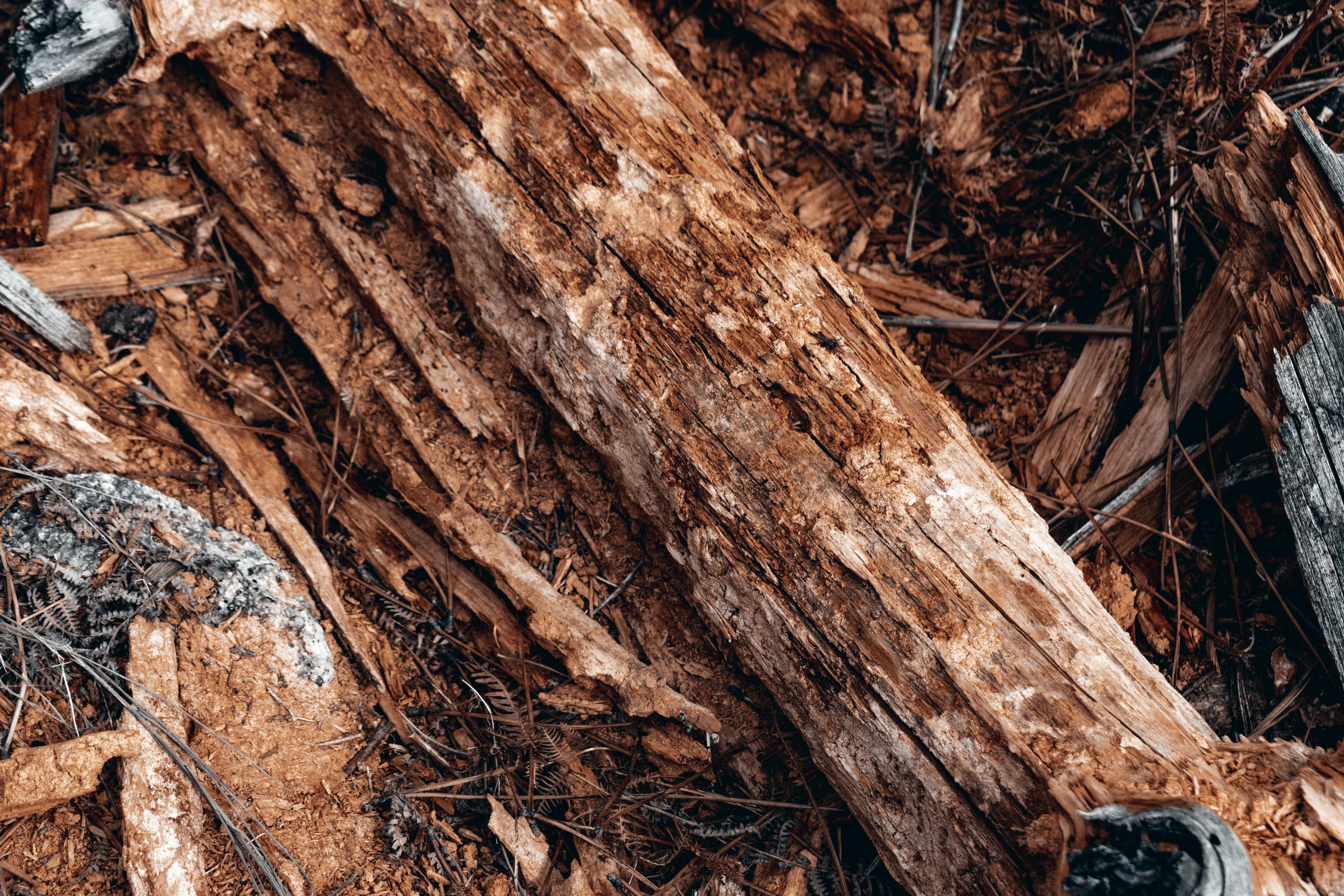
Armillaria Root Rot
A fungal disease that causes root decay, often affecting conifers and hardwoods.
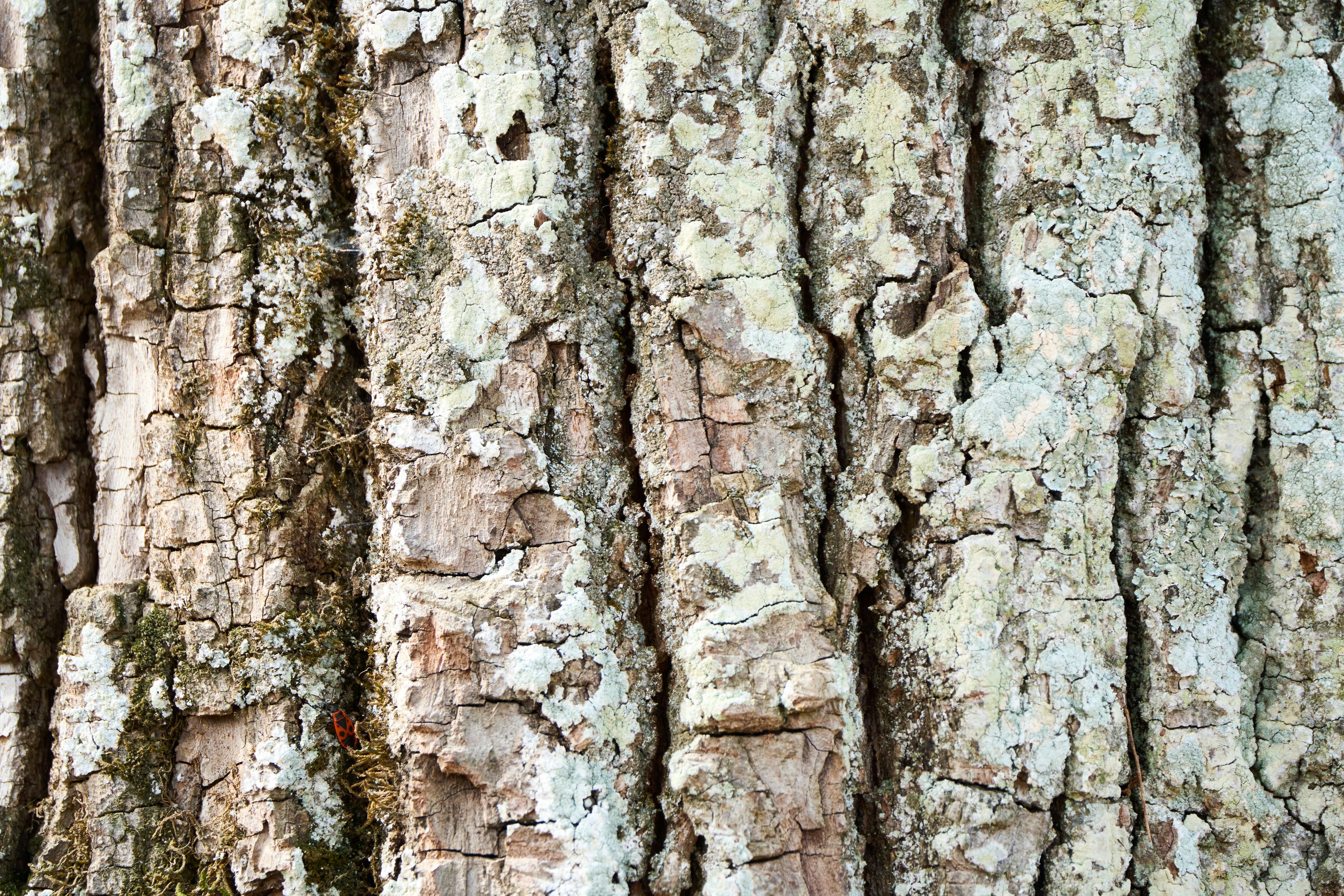
Dutch Elm Disease
A fungal infection spread by elm bark beetles, affecting elm trees.
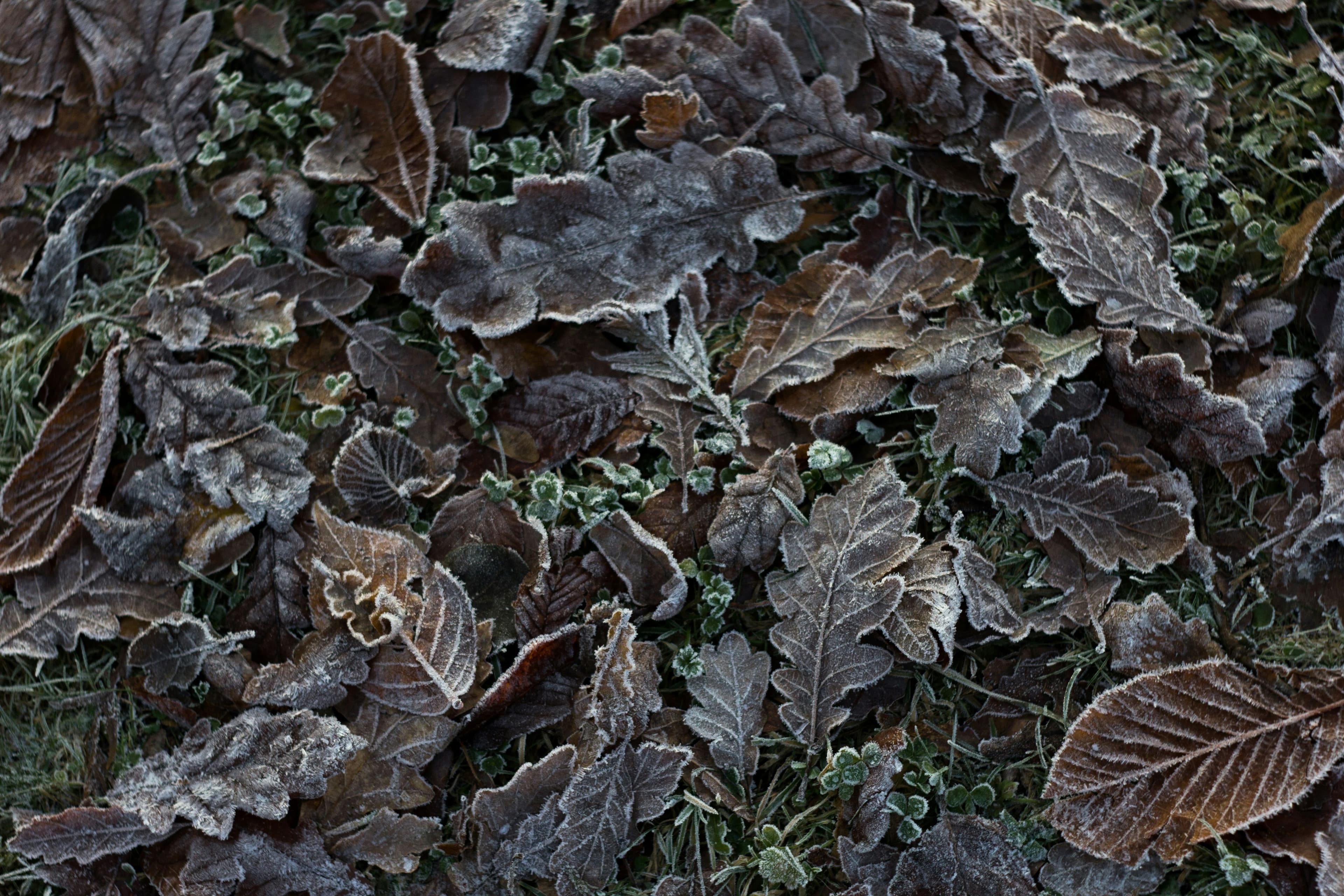
Powdery Mildew
A fungal disease that creates a white, powdery coating on leaves, often seen on maples, oaks, and other broadleaf trees.
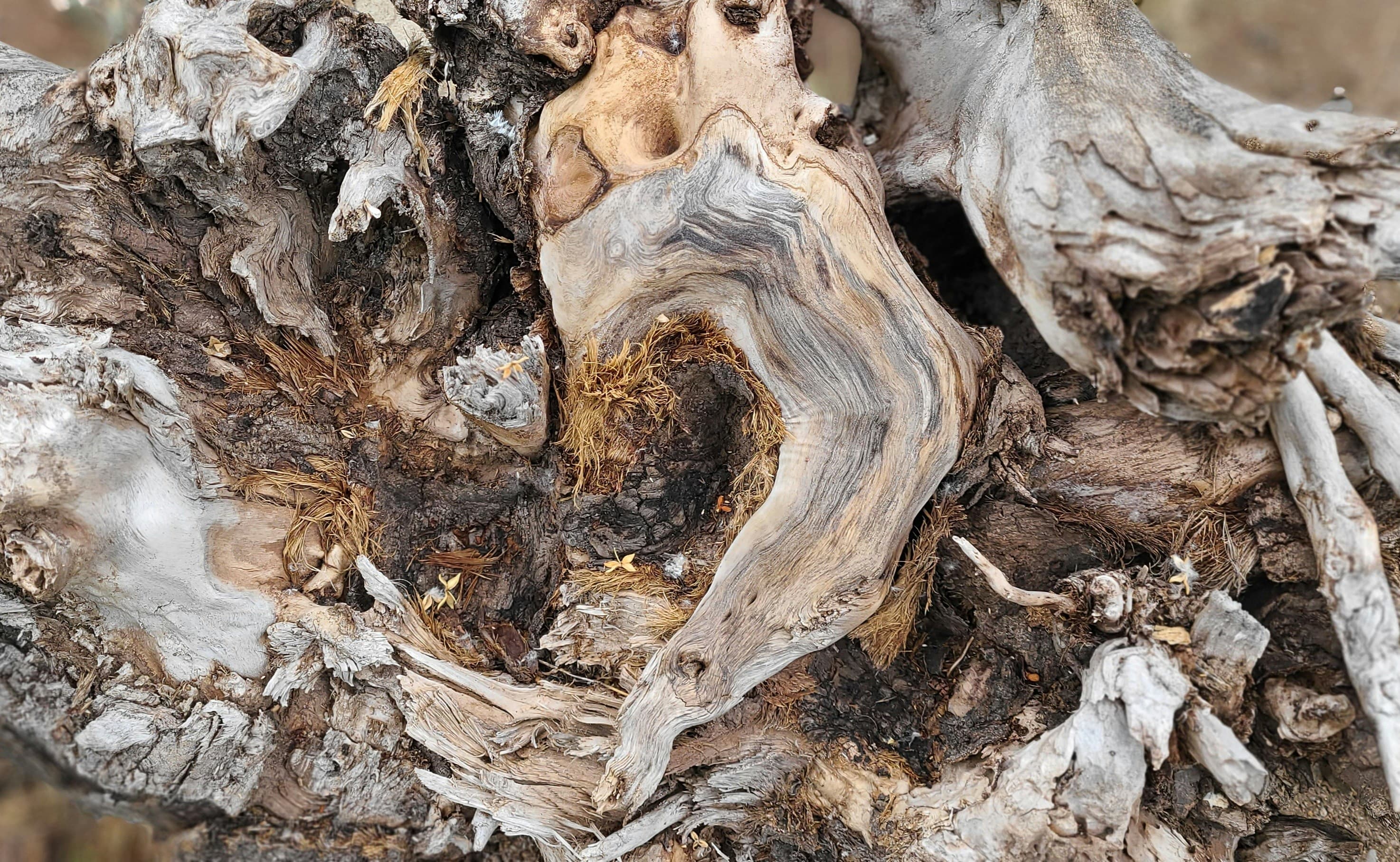
Phytophthora Root Rot
A waterborne fungal infection that affects roots, commonly affecting trees like alder and Douglas fir.
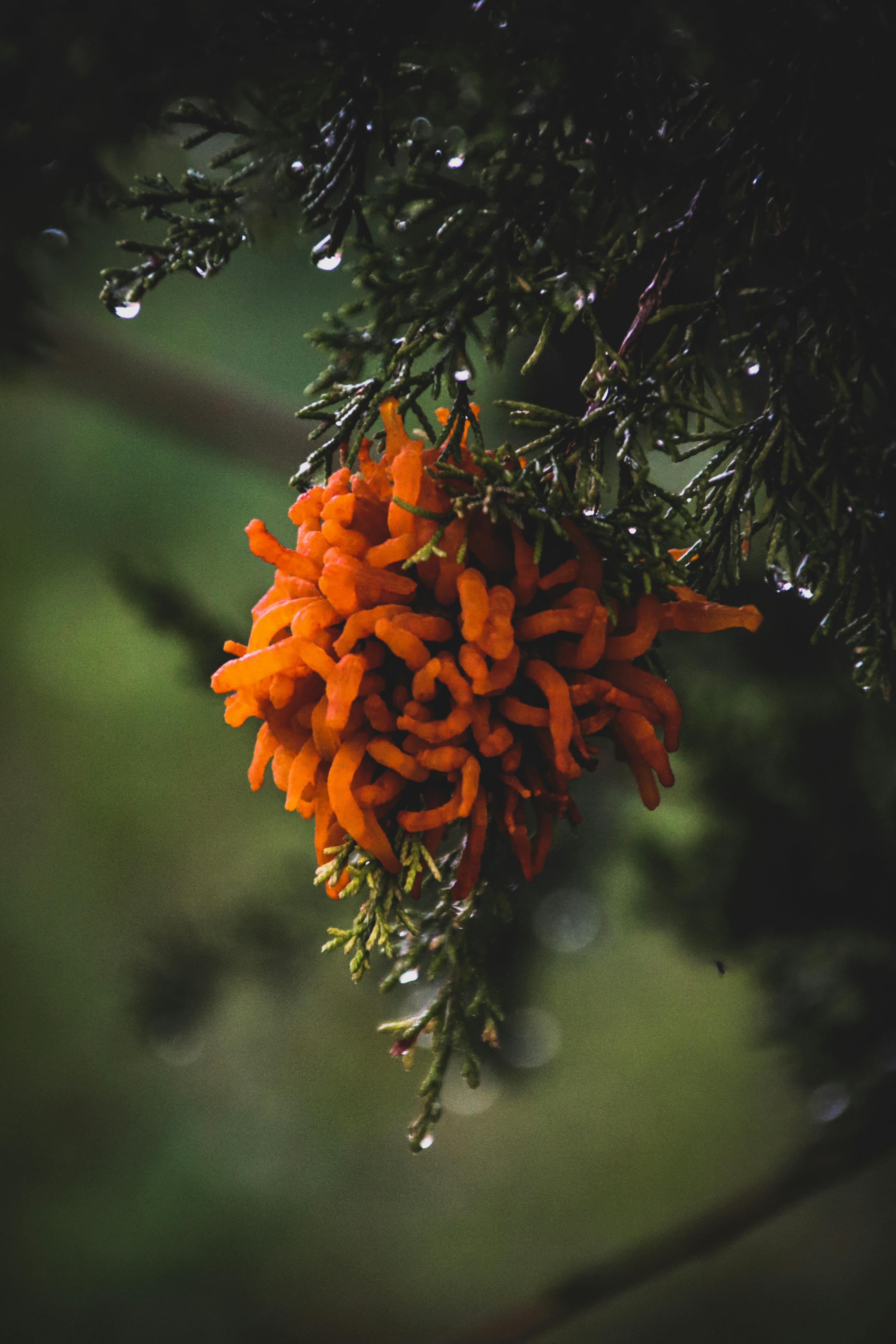
Cedar-Apple Rust
A fungal disease that primarily affects western red cedar and apple trees.
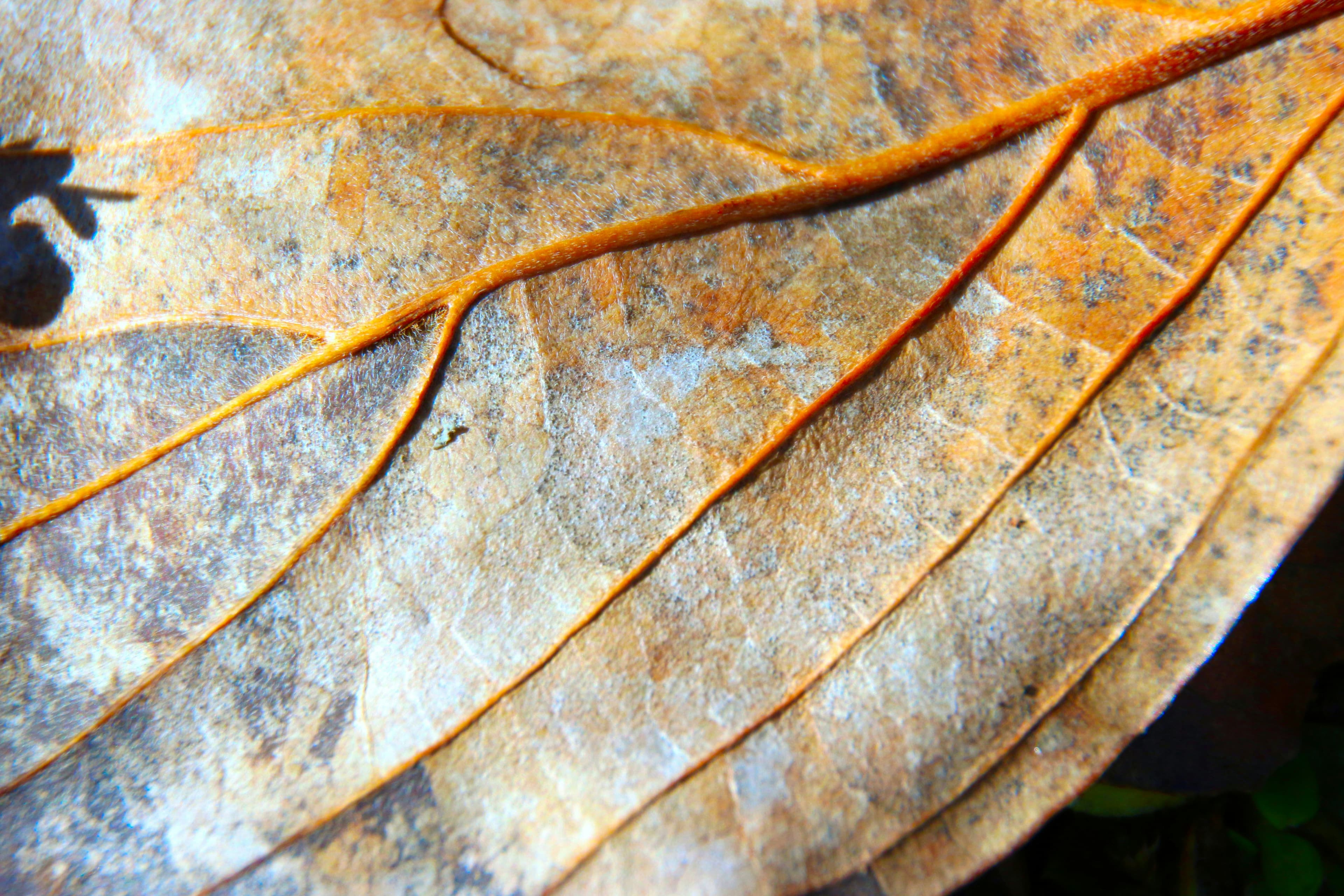
Cottonwood Leaf Rust
A fungal disease that causes yellowish-orange spots on cottonwood tree leaves.
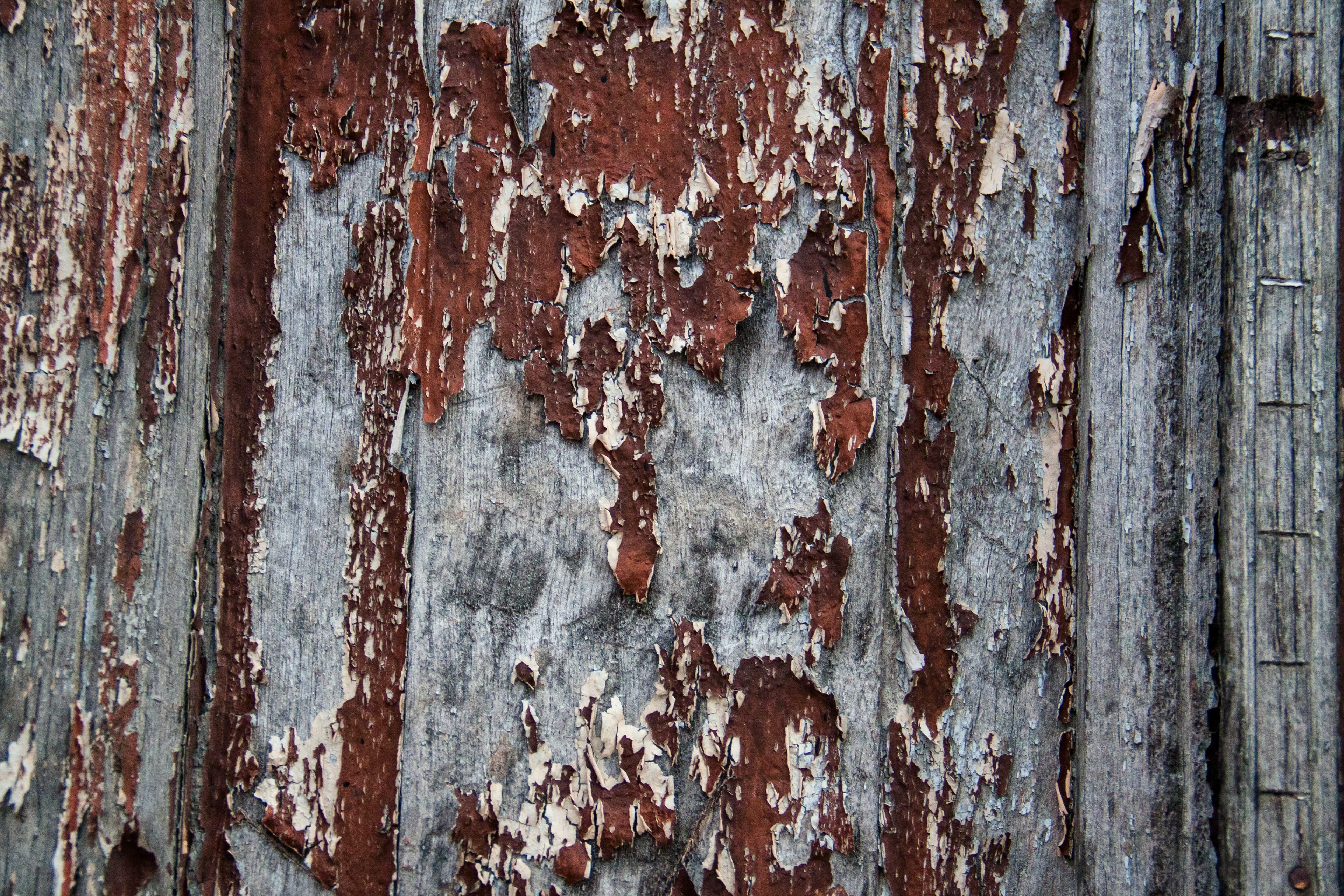
White Pine Blister Rust
A fungal disease that affects white pines, weakening trees and making them more susceptible to other diseases.
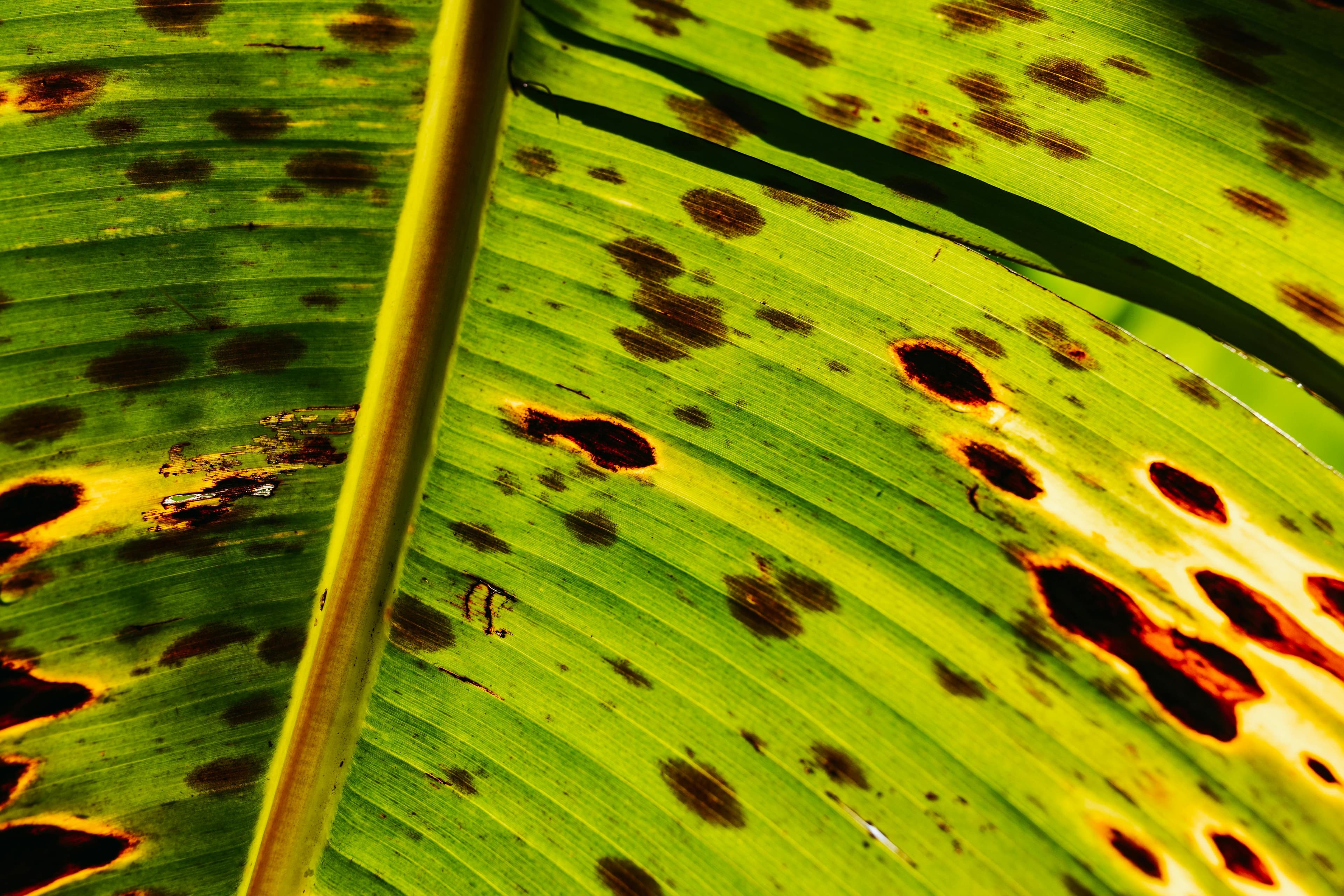
Cherry Leaf Spot
A fungal infection that causes dark spots on cherry tree leaves, leading to premature leaf drop.
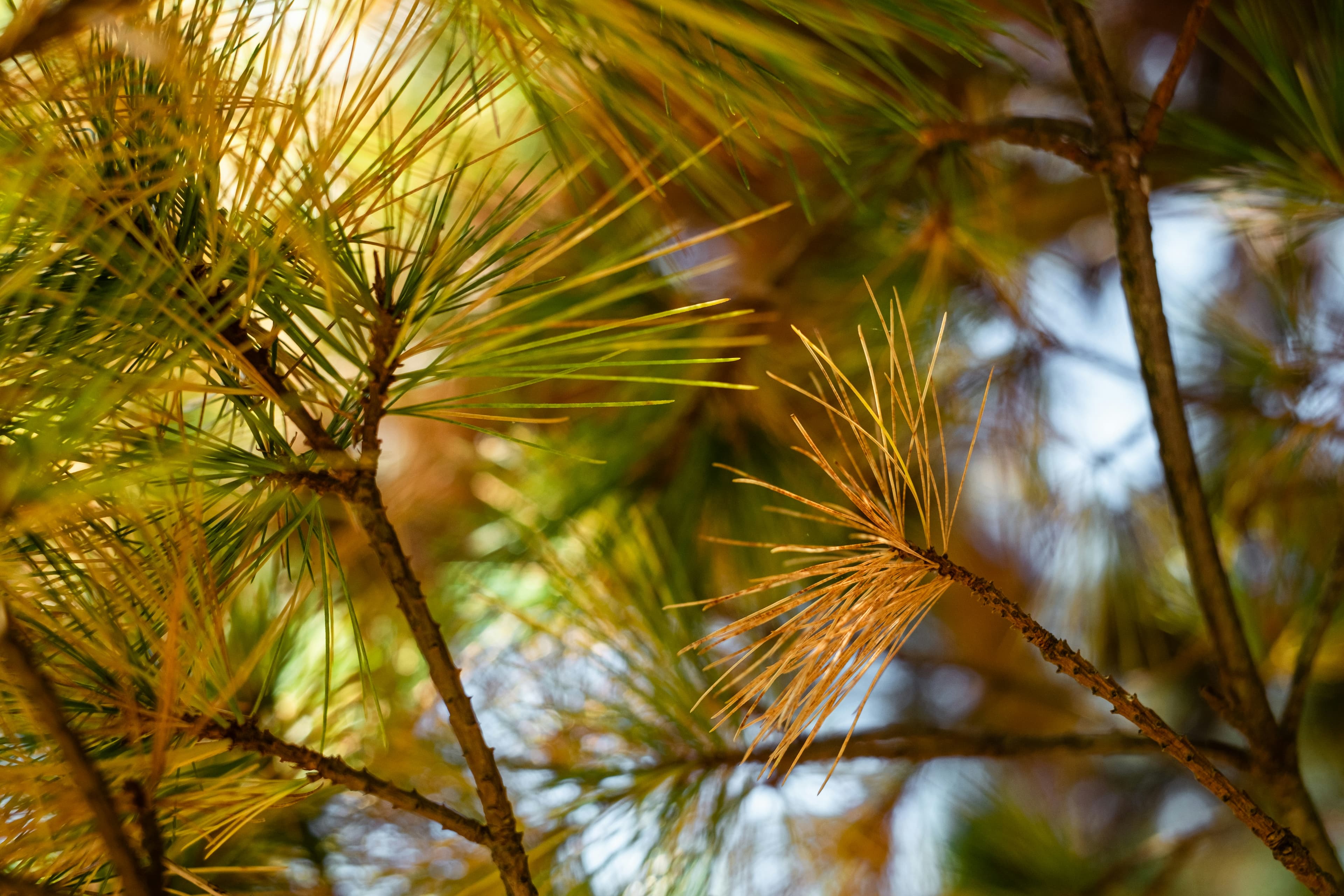
Pine Needle Cast
A fungal disease that causes pine needles to turn brown and fall off prematurely, often affecting Douglas fir.
Beech Bark Disease
A combination of a fungal infection and insect infestation, primarily affecting beech trees.
Armillaria Root Rot
A fungal disease that causes root decay, often affecting conifers and hardwoods.
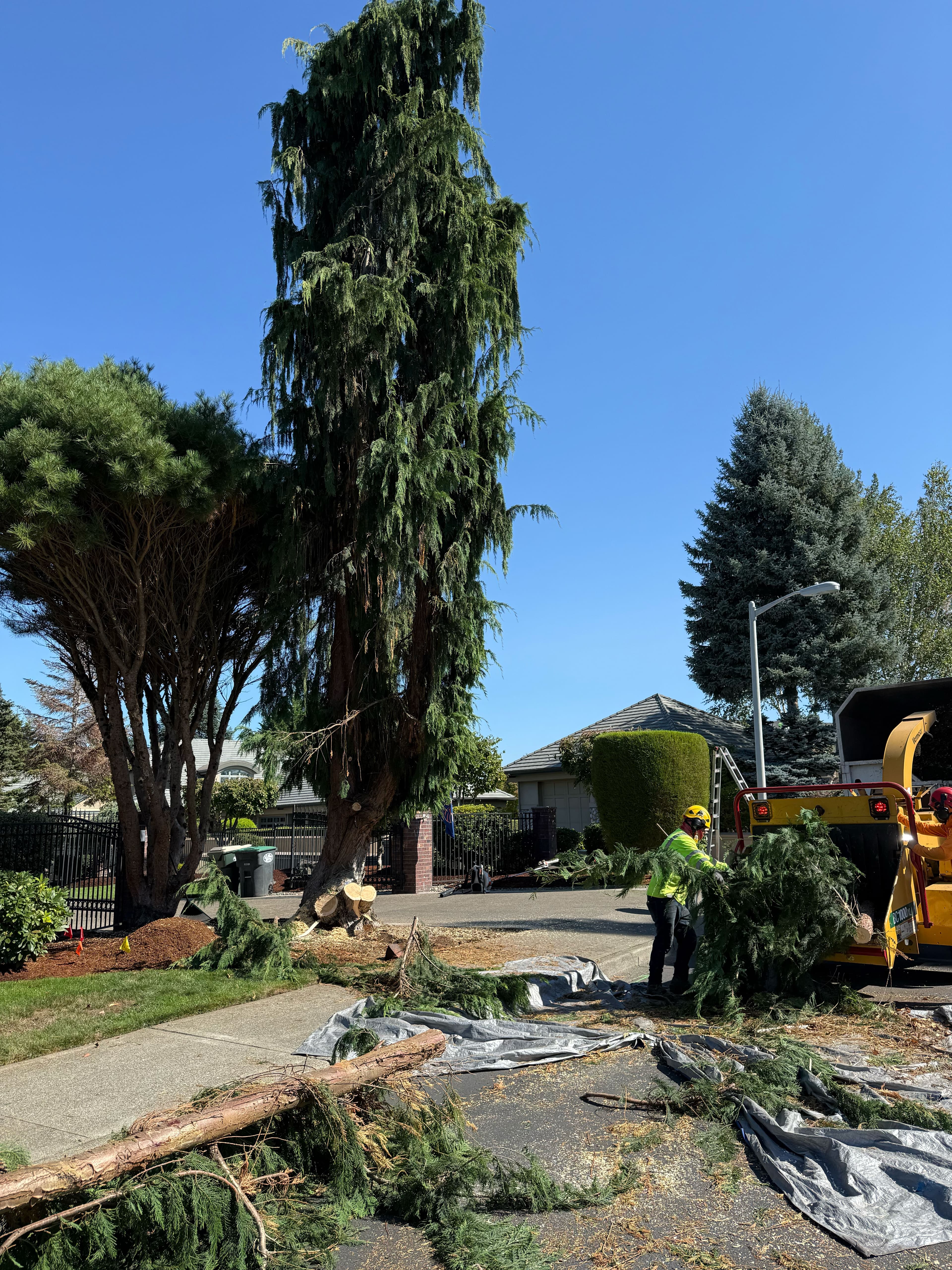
Improves Aesthetic Appeal
Proper pruning enhances the tree’s natural form and beauty across landscapes.
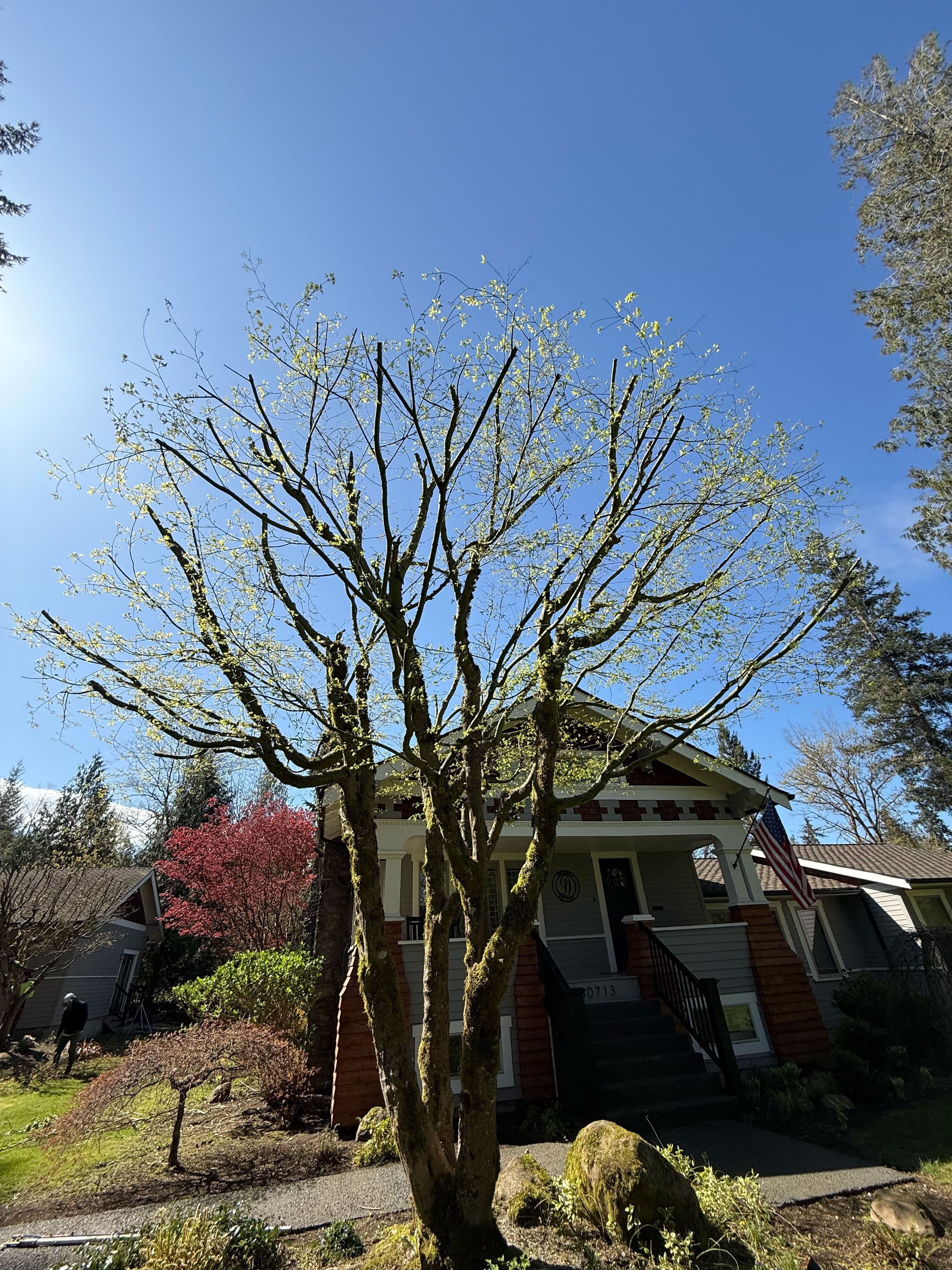
Promotes Healthy Growth
Regular pruning removes dead, damaged, or diseased branches, helping prevent spread of illness and redirecting energy into healthy growth.
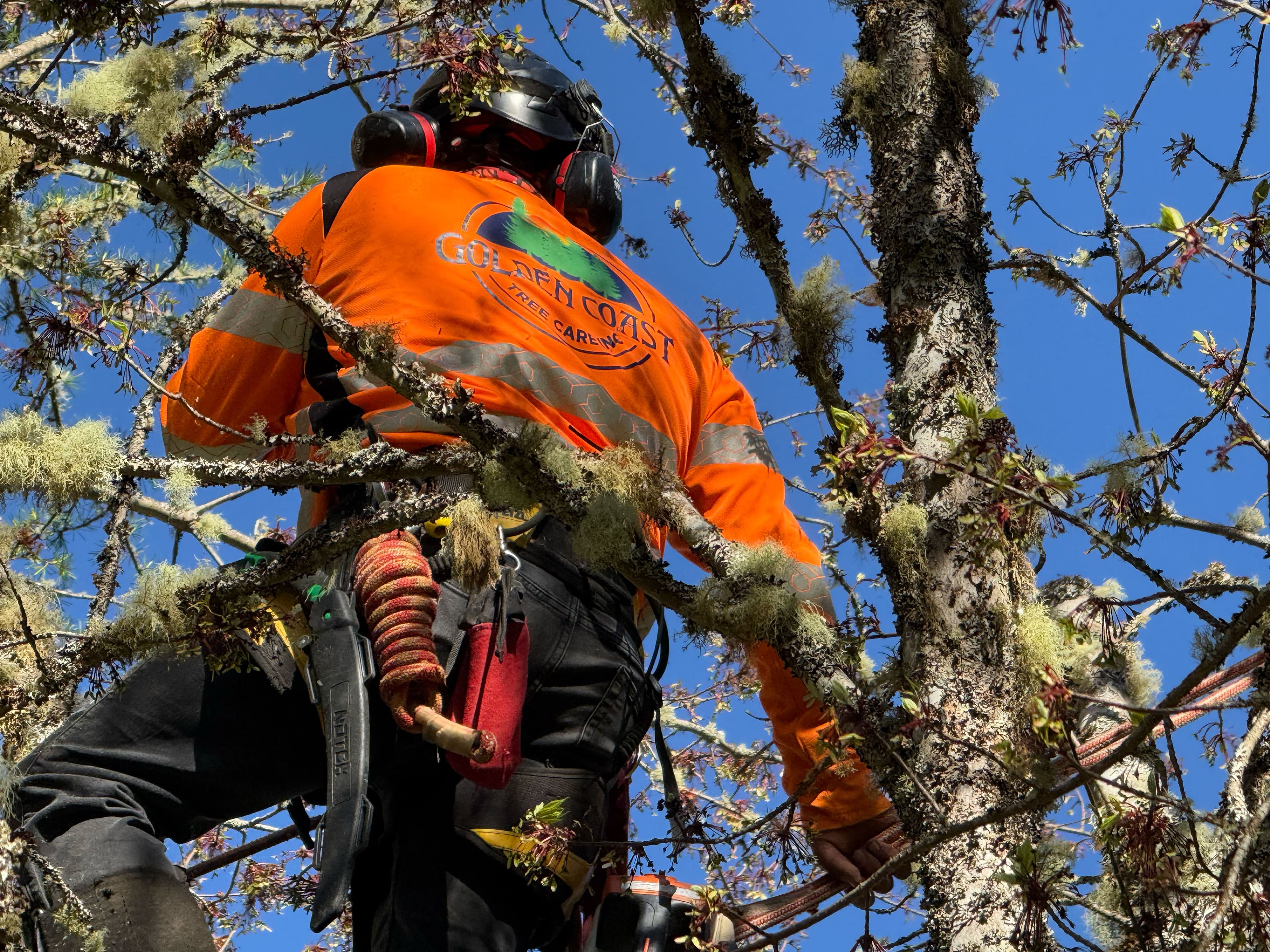
Improves Tree Structure
Pruning removes weak or poorly placed branches, encouraging a stronger, balanced structure for long-term stability.
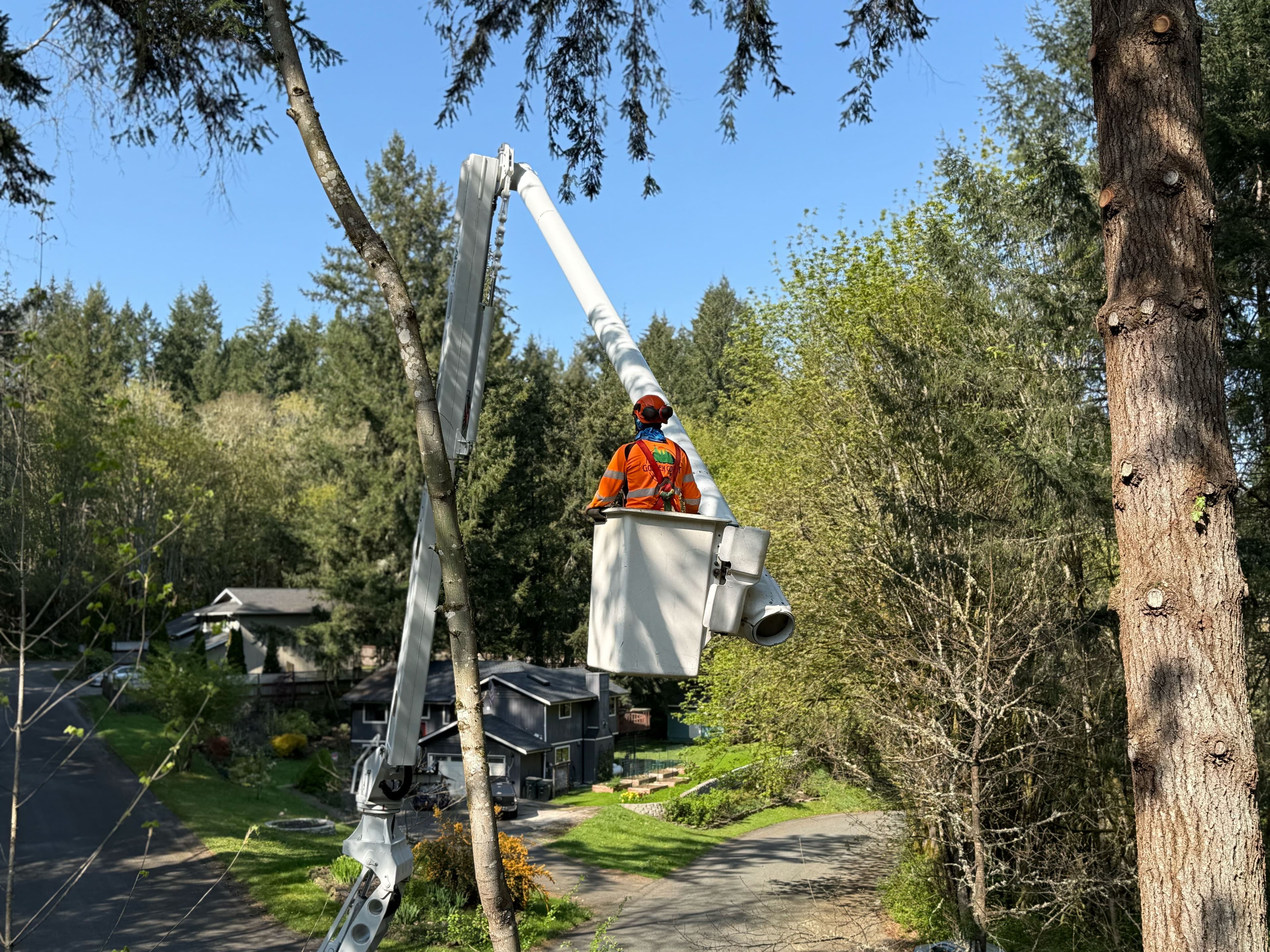
Enhances Safety
Overgrown or broken branches can fall or interfere with structures and power lines. Pruning reduces these risks.
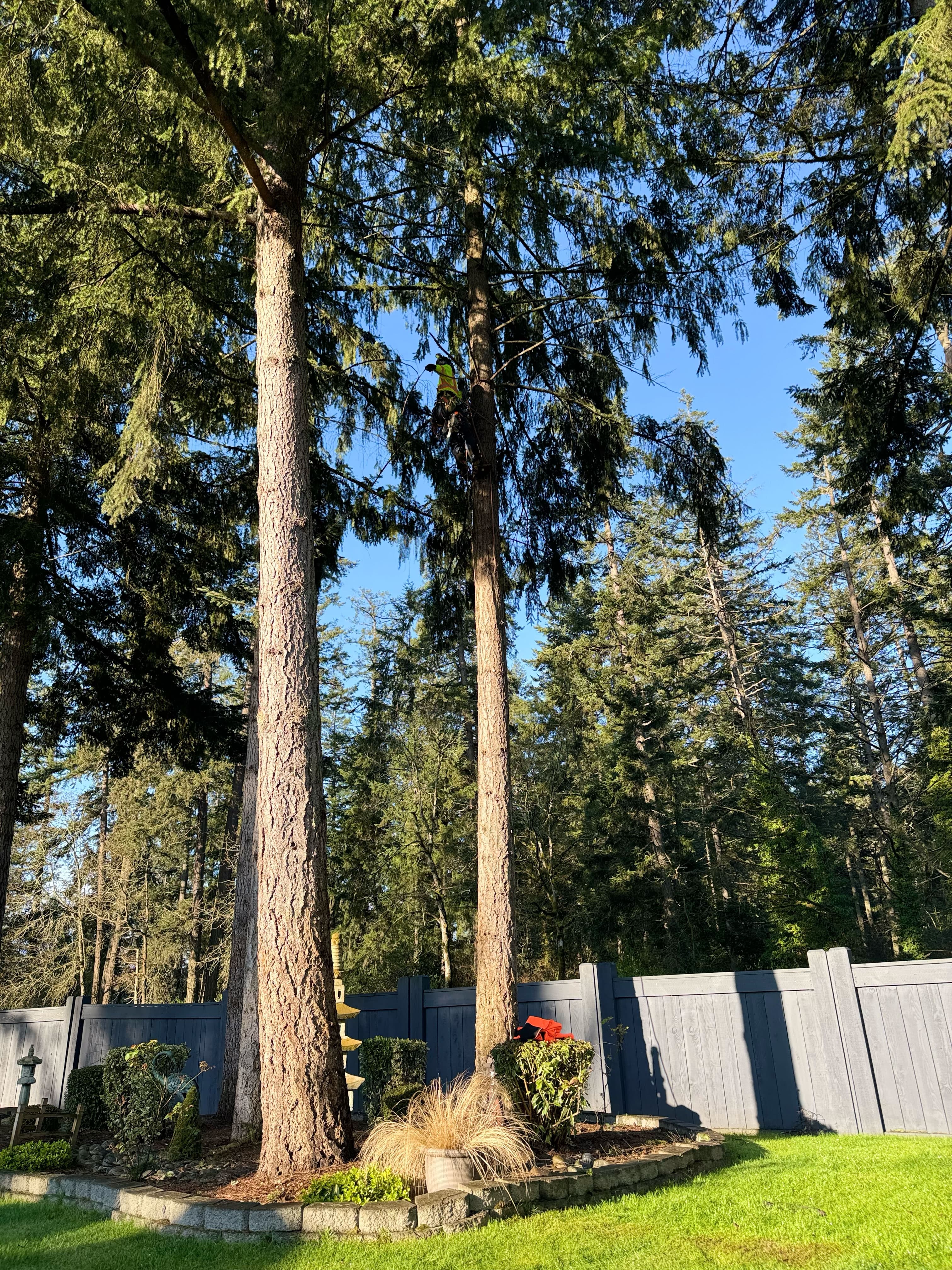
Increases Airflow & Sunlight
Opening the canopy improves airflow and light penetration, reducing fungal risk and supporting healthier foliage.
Improves Aesthetic Appeal
Proper pruning enhances the tree’s natural form and beauty across landscapes.
Promotes Healthy Growth
Regular pruning removes dead, damaged, or diseased branches, helping prevent spread of illness and redirecting energy into healthy growth.
Tree Pruning
Professional tree pruning is essential for maintaining tree health, safety, and aesthetics. Our certified arborists use proper techniques to ensure your trees thrive for years to come.
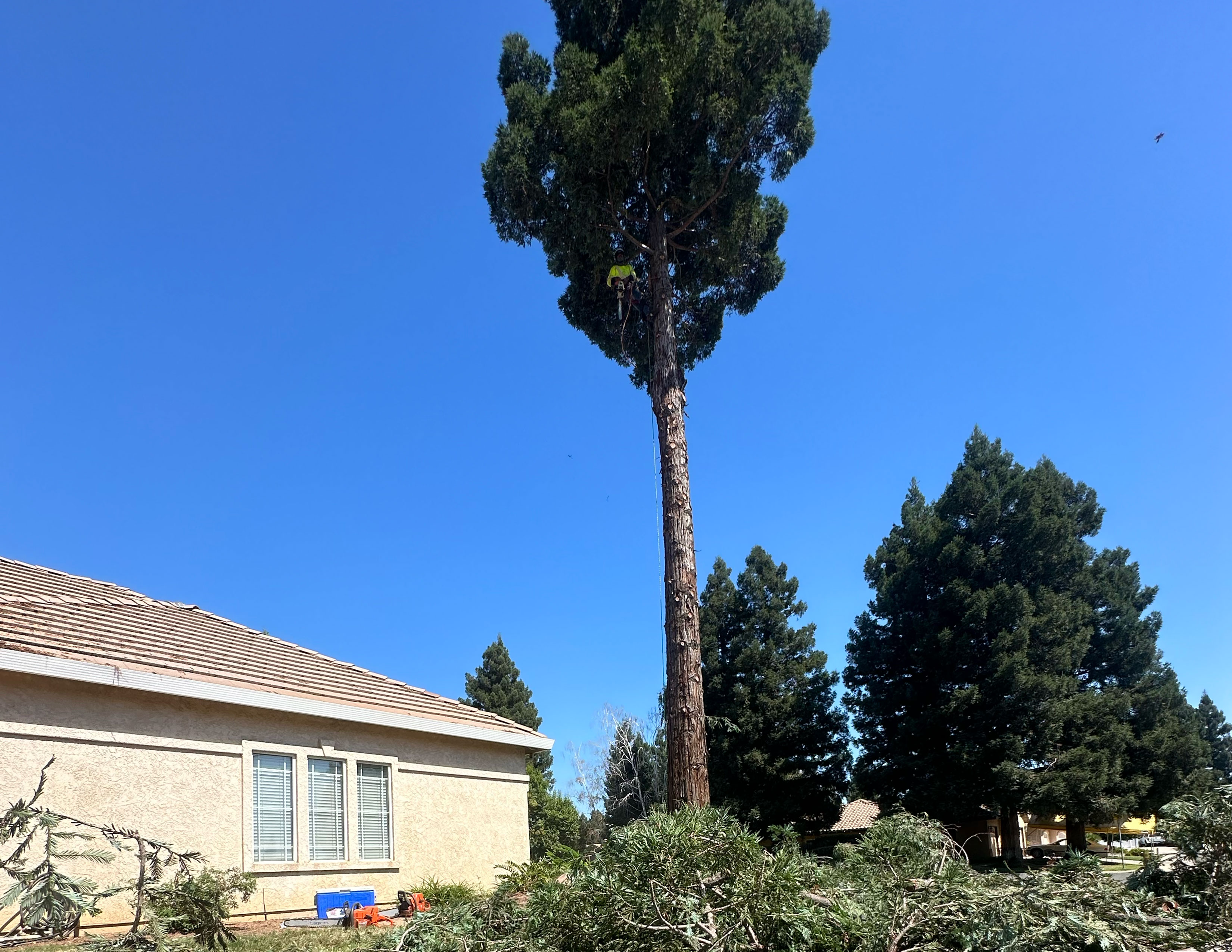
Tree Thinning
Reducing the number of tree branches, topping the crown of the tree, and removing decaying limbs can allow the tree to breathe, which promotes healthy growth.
Ready to Get Started?
Contact us today for a free estimate on any of our tree care services.
Frequently Asked Questions
Do you offer free estimates?
Yes! We provide free on-site estimates for all services. Our certified arborist will assess your trees, discuss your needs, and email you a detailed quote within 24-48 hours. There's never a charge for consultations.
When is the best time to prune trees?
The ideal time for pruning depends on the tree species and your goals. Generally, late winter to early spring (during dormancy) is best for most trees as it promotes healthy growth and minimizes stress. However, dead or hazardous branches should be removed immediately regardless of season. Our arborist will recommend the optimal timing for your specific trees.
How far in advance do I need to schedule?
We recommend scheduling 1-2 weeks in advance for routine services like pruning and maintenance. However, we understand that urgent situations arise, and we always prioritize emergency tree removals and hazardous tree work. Contact us and we'll do our best to accommodate your timeline.
Will tree removal damage my lawn?
We take great care to minimize lawn impact during tree removal. Our team uses protective materials, strategic equipment placement, and careful planning to protect your property. While some minor disturbance may occur with large removals, we'll discuss this during your estimate and can recommend lawn restoration options if needed.
What if something gets damaged?
We carry comprehensive liability insurance and workers' compensation to protect you and your property. In the unlikely event that damage occurs, we'll work directly with you to resolve it quickly and professionally. Your peace of mind is our priority, and we stand behind our work 100%.